With tournament fever sweeping across the UK, football is firmly at the centre of the national conversation. Major international tournaments don’t just inspire us to cheer from the sofa; they trigger a massive wave of enthusiasm at the grassroots level. Suddenly, local 5-a-side leagues, power leagues, and casual weekend kickabouts are packed with players eager to replicate the elite footwork they see on screen.

However, this sudden surge in activity brings a predictable, less welcome trend known to podiatric specialists as “The World Cup Effect”, a sharp, seasonal spike in acute foot and ankle injuries among amateur players.
When enthusiasm outpaces physical conditioning, or when an explosive sprint meets an unforgiving artificial pitch, the structural integrity of the foot is pushed to its absolute limit. If a recent match has left you sidelined, understanding the true nature of your injury is the first step toward a safe, rapid return to the pitch.
The Anatomy of a 5-a-Side Injury: The Top 3 Structural Culprits
Amateur football, particularly the fast-paced, high-intensity nature of 5-a-side, places immense stress on the lower limbs. Unlike the pristine, shock-absorbing grass pitches enjoyed by the pros, local games are often played on hard, high-friction 3G or 4G artificial turf. Here are the most common structural injuries that require specialist surgical attention:
- The Metatarsal Fracture. Perhaps the most infamous football injury of all, a metatarsal fracture involves a break in one of the five long bones of the forefoot. In 5-a-side, this usually occurs in the fifth metatarsal (along the outer edge of the foot) due to a sudden, violent twist while pivoting or from a direct impact during a mistimed tackle.
- Severe “Turf Toe” and Plantar Fascia Tears. Artificial pitches offer excellent grip, but that traction can be a double-edged sword. If your boot grips the surface firmly while your body’s momentum forces your weight forward, the big toe joint can severely hyperextend. This results in “turf toe”, which can involve a tear of the plantar plate or an acute rupture of the plantar fascia arch, causing debilitating pain with every step.
- High Ankle Sprains and Syndesmosis Tears. While a standard ankle sprain affects the outer ligaments, a “high” ankle sprain damages the syndesmosis, the complex network of ligaments above the ankle joint that holds the shin bones together. This happens when the foot is planted and forced into an extreme outward rotation, a common occurrence when changing direction at speed.
When “Walking It Off” Risks Long-Term Damage
It’s common in amateur sports to try to “walk off” an injury. However, ignoring the warning signs of structural damage can have serious, long-term consequences. You should seek an immediate specialist assessment if you experience any of the following:
- An absolute inability to bear weight on the foot immediately after the incident.
- Rapid, localised swelling and deep bruising that appears within hours.
- A feeling of instability, or a distinct “clicking” or “popping” sensation inside the foot or ankle joints when moving.
- Sharp, localised pain that does not improve after a week of rest, ice, and elevation.
The Danger of Delay
Allowing a structural fracture or severe ligament tear to heal without specialist intervention can lead to a malunion (where bones heal misaligned). This alters your natural gait, placing abnormal stress on your knees, hips, and lower back, and drastically increases the risk of early-onset post-traumatic arthritis.
|
Injury Type |
Traditional Management Timeline |
Private Surgical Timeline |
|---|---|---|
|
Displaced Metatarsal |
6–12 weeks in a heavy plaster cast; prolonged muscle wasting. |
Rigid internal fixation; early, protected weight-bearing in weeks. |
|
Severe Syndesmosis (High Ankle) Tear |
Months of immobilisation; high risk of chronic joint laxity. |
Minimal-incision stabilisation; targeted, rapid physiotherapy. |
How Modern Foot Surgery Accelerates Your Recovery
The narrative around foot surgery has evolved dramatically. The days of spending three months in a heavy, above-the-knee plaster cast are largely a thing of the past. Advanced surgical techniques are specifically designed to minimise downtime and preserve your long-term mobility.
Minimally Invasive Surgery (MIS)
Whenever clinically appropriate, our consultant orthopaedic surgeons utilise keyhole techniques. By performing repairs through tiny incisions, we cause significantly less disruption to the surrounding soft tissues and skin. For the patient, this translates to drastically reduced post-operative pain, a lower risk of infection, and a much neater cosmetic scar.
Rigid Internal Fixation
For displaced fractures or severe joint instability, modern foot surgery utilises ultra-low-profile titanium plates and micro-screws to perfectly realign and lock the bone fragments into place. Because the mechanical stability is achieved instantly by the hardware, patients can often begin protected, early weight-bearing in a specialised walking boot much sooner than with traditional casting. This prevents severe muscle wasting and keeps your rehabilitation timeline moving forward.
Skip the Queues: Fast-Tracked Diagnostic and Surgical Care
When you are living with a painful sports injury, every week spent waiting for a diagnostic scan or a specialist opinion is a week of muscle degeneration and delayed healing. Standard healthcare pathways are heavily congested, often leaving patients in limbo for months just to secure an initial assessment.
The Yorkshire Foot Hospital bypasses these administrative delays entirely. We provide rapid access to on-site, high-resolution diagnostic imaging (including ultrasound and MRI) and immediate consultations with leading UK consultant foot and ankle surgeons. From your initial assessment to your bespoke post-operative physiotherapy plan, your care is streamlined to get you off the bench and back to peak performance safely, efficiently, and without the wait.
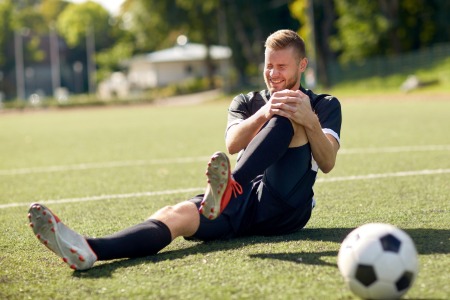
Suffered a pitch mishap during the tournament? Don’t risk your long-term mobility by playing the waiting game. Contact our specialist clinic team today to book a priority diagnostic consultation with an expert foot surgeon.